

editor
As we reach peak hurricane season, don’t let your guard down. Potentially devastating storms are right around the corner, and now is the best time to make sure your home or small business is prepared.
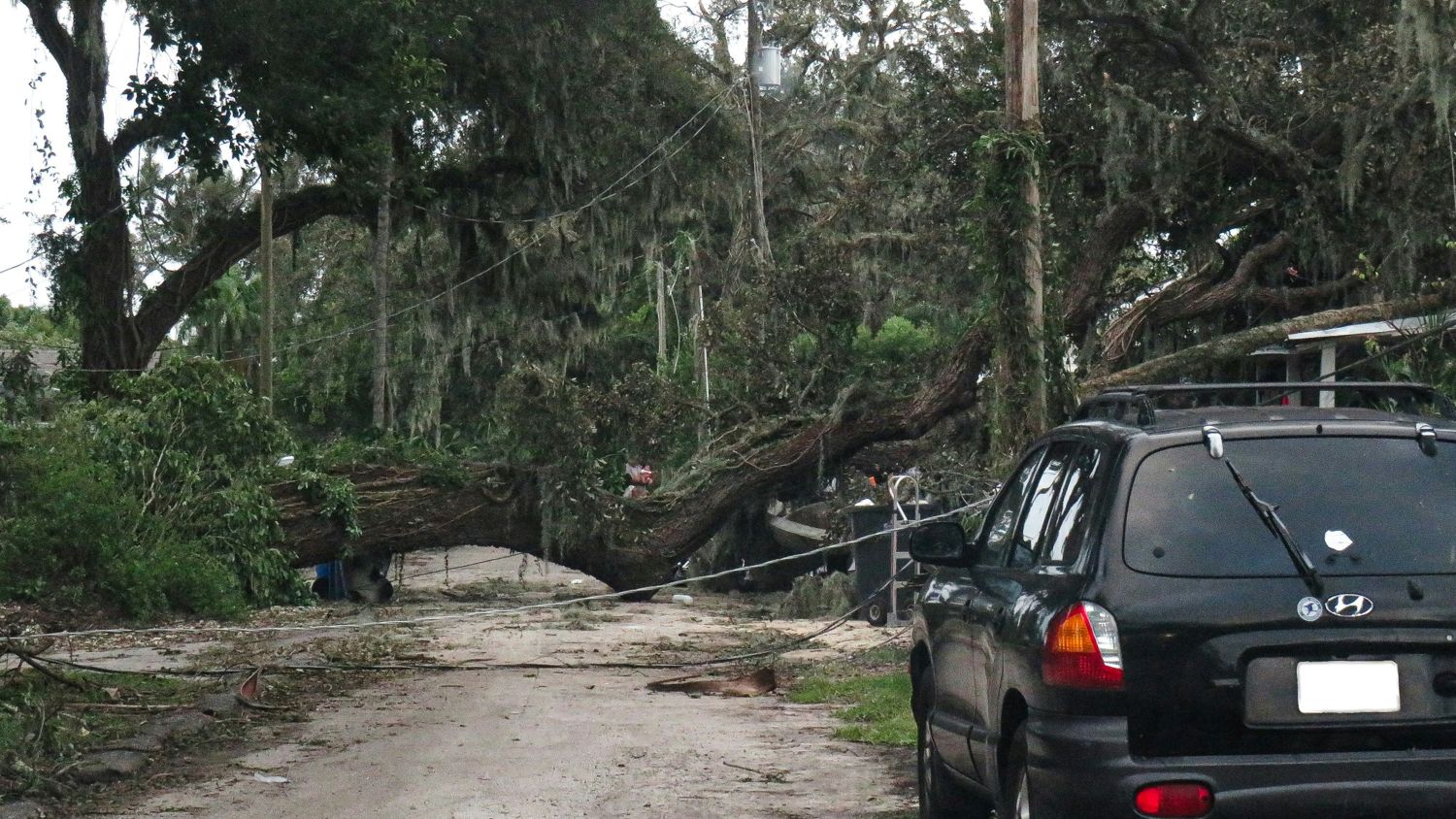
As I write this in early September, it’s been a relatively quiet hurricane season so far, with only four named storms and one hurricane that resulted in moderate flooding and coastal damage. Nothing like the catastrophic hits that dominated headlines in recent years.
But don’t be fooled—that quiet can be dangerous.
Hurricane season doesn’t follow our calendars or our comfort levels. It follows physics. Warm water, atmospheric conditions, and weather patterns are setting up for what meteorologists are calling an above-average season. They’re still predicting 13–18 named storms and 5–9 hurricanes, including 2–5 major hurricanes with winds of 111 mph or greater.
Unfortunately, that means the worst is still yet to come.
I’ve been in the telecommunications business long enough to see this pattern repeat itself. Communities get through the early part of hurricane season without major incident, and suddenly, preparedness takes a back seat to everything else. Beach vacations get planned. Business continuity plans get filed away. Backup generators get forgotten in storage.
But here’s what I know, both from science and from years of helping communities rebuild their connections after disasters. The peak of hurricane season runs August through October, with over 90% of U.S. tropical storm and hurricane activity happening during this period. In other words, we’re not past the danger—we’re walking into it.
The storms that do the most damage often aren’t the ones we see coming months in advance. They’re the ones that spin up quickly in September and October, when ocean temperatures are at their highest and conditions are prime for rapid intensification.
Hurricane Milton exemplified this phenomenon, becoming one of the strongest Atlantic hurricanes on record, with rapid intensification among the highest ever observed. That means less time to prepare before the storm’s bearing down on you, making early preparation and planning more important than ever.
At Kinetic, we’ve invested heavily in building networks that can withstand extreme weather. Our fiber infrastructure performs better than older copper systems when storms hit, and we’ve learned hard lessons about where and how to build resilient connections.
That said, infrastructure is only as strong as the preparation that supports it. When Hurricane Helene caused catastrophic flooding across the southern Appalachians, making it the deadliest hurricane to affect the continental U.S. since Katrina, the devastation wasn’t just about wind speeds.
It was about communities that thought they were safely inland, businesses that hadn’t planned for extended outages, and families who discovered too late that their backup plans weren’t enough.
It’s essential to recognize that the calm we’re experiencing right now is exactly when preparation matters most. When the National Hurricane Center issues a warning, it’s already too late to do much of the hard work of getting ready.
Small businesses are particularly vulnerable during extended outages. I’ve seen family operations that took generations to build get wiped out, not by the storm itself, but by the weeks of downtime that followed.
In fact, the Federal Emergency Management Agency (FEMA) estimates that 65% of small businesses shut down permanently within a year of a natural disaster, while the Small Business Administration (SBA) puts that number near 90%.
But the cost of preparation—backup power, cloud storage for critical data, redundant communication systems—pales in comparison to the cost of recovery. For businesses in our coverage areas, that means:
When natural disasters do hit, Kinetic technicians don’t just show up after the all-clear. As we’ve proven time and again, we’re there working alongside first responders to restore critical connections as quickly and safely as possible.
But our job isn’t just to rebuild—it’s to build back better. Every extreme weather event teaches us something about resilience, about where infrastructure needs to be strengthened, and about how Kinetic and the communities we serve can better prepare for the next one.
This lull isn’t a reprieve. It’s a gift of time, and time is the one thing you can’t get back once a storm is bearing down on your community.
So the question isn’t whether more storms are coming this season—the science says they are. The question is whether we’ll use this quiet time to get ready, or whether we’ll look back and wish we had.
At Kinetic, we’re using every day of this calm to strengthen our networks, position our response teams, and make sure we’re ready to serve the communities that depend on us. The storms may be unpredictable, but our commitment to keeping you connected is rock-solid.
Don’t let the quiet fool you. The storm season is far from over. Make sure you’re ready with our free hurricane prep checklist.